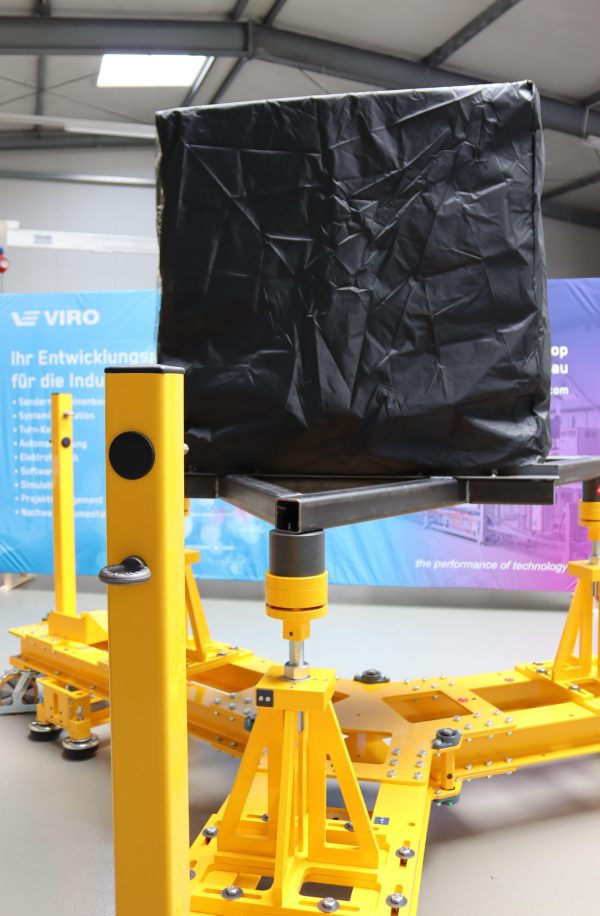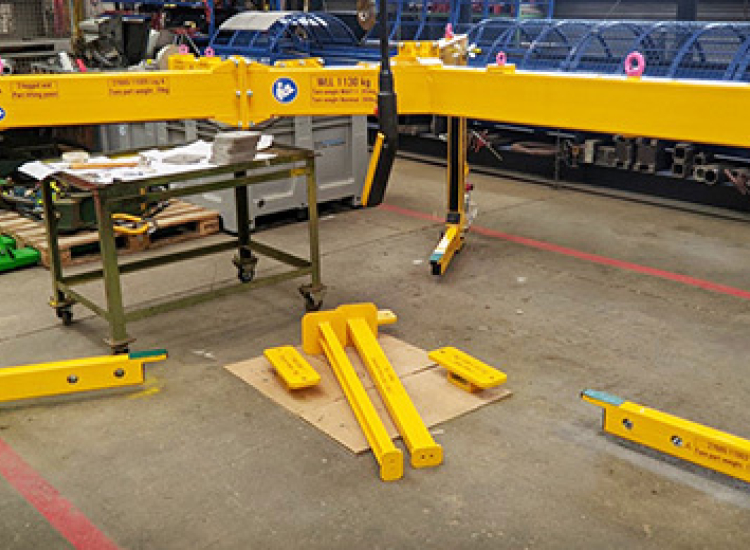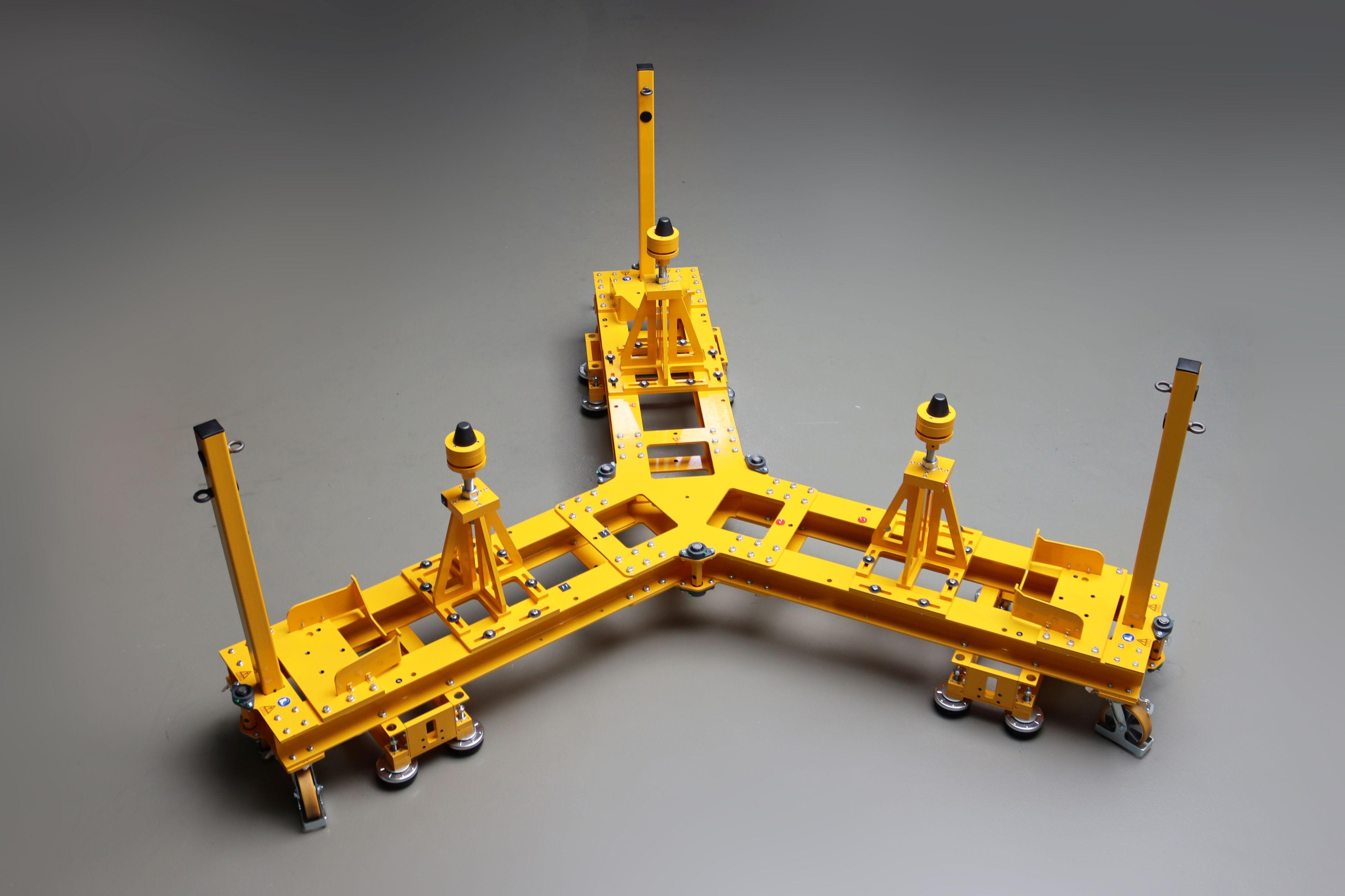
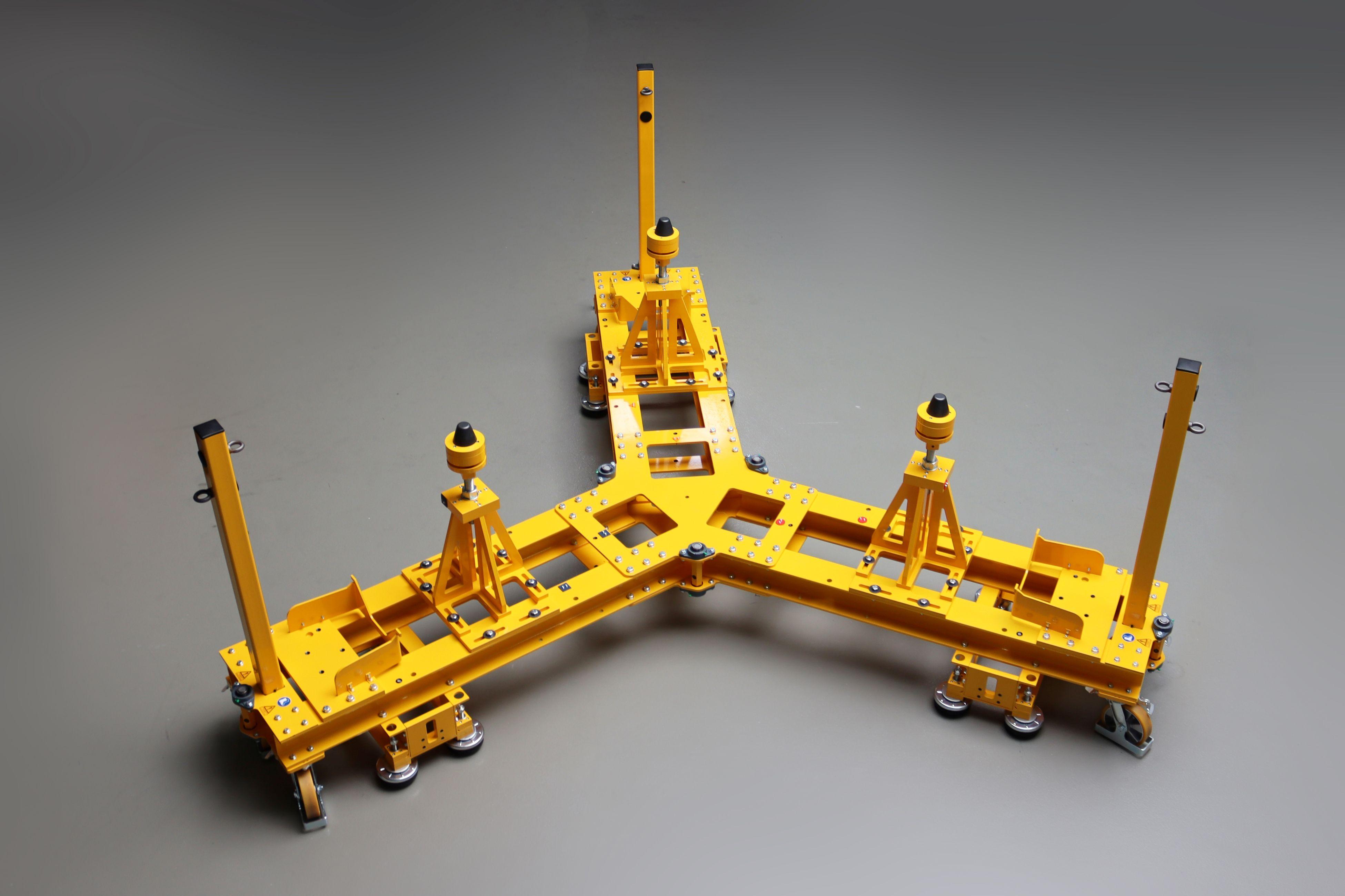
For the University of Cologne, VIRO designed and delivered a turnkey support system for the Warm Calibration Unit (WCU) of the METIS instrument on the Extremely Large Telescope (ELT). The challenge was to combine the highest standards of stability, transportability, corrosion protection and installation precision under demanding constraints. By integrating design engineering, FEA, risk assessment, manufacturing and documentation, VIRO developed a solution that meets the complex requirements of an international research project.
When standard solutions are not enough
Large-scale research projects place special demands on engineering partners. For the University of Cologne, the task was to develop a support system for the Warm Calibration Unit (WCU) of the METIS instrument. The WCU is a key component of one of the scientific instruments of the Extremely Large Telescope (ELT), one of the most ambitious astronomy projects in the world.
The support system had to do far more than simply hold the assembly securely. It needed to facilitate installation and removal, ensure safe transportation, and meet stringent requirements for stability, service life and handling. “It was clear from the tendering stage that this was not a conventional structural steelwork project, but one involving particularly demanding technical challenges,” explains Alexander Rosenwinkel, Project Manager at VIRO.
The technical requirements went well beyond basic load-bearing capacity. The system had to enable the safe handling of a highly sensitive assembly while meeting all the aforementioned specifications. Individual components had to be designed to accommodate specific transport routes and container dimensions. At the same time, a minimum service life of 18 years was required under varying environmental conditions.
An additional challenge was accounting for real-world factors such as manufacturing tolerances, material variations and installation conditions during the development process. Further requirements concerned operation in cleanroom environments, as well as extensive documentation and verification obligations. Assembly, Factory Acceptance Testing (FAT) and shipment also required careful planning and execution. Another important step was certification and acceptance by TÜV, including the QS inspection mark, to demonstrate compliance with the required quality and safety standards.
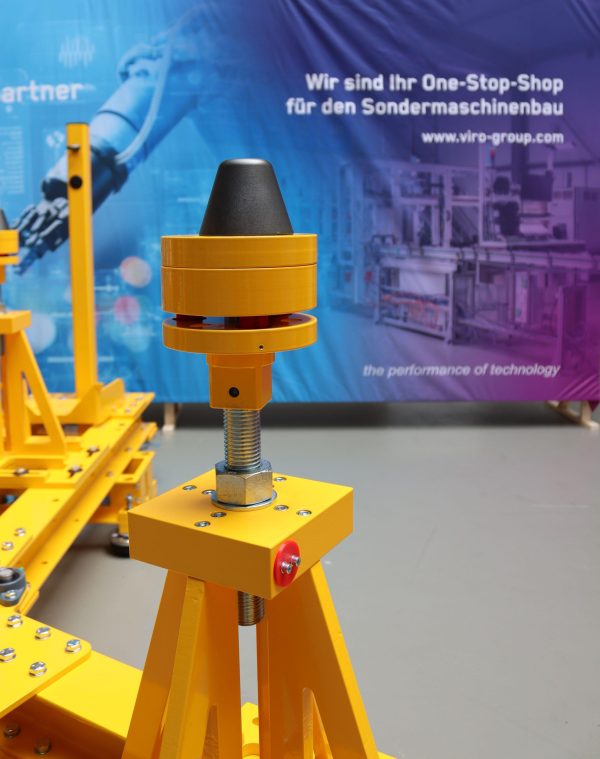
The collaboration began with a turnkey proposal from VIRO based on the technical specification. At an early stage, both parties jointly analysed and assessed requirements, risks and interfaces. The project was managed consistently against clearly defined milestones. Regular coordination meetings, structured design reviews, as well as the Manufacturing Readiness Review (MRR) and Shipment Readiness Review (SRR), ensured transparency and reliable planning for both parties.
“The weekly coordination meetings enabled us to resolve outstanding issues at an early stage. This helped minimise risks and make decisions efficiently,” explains Rosenwinkel. The customer also benefited from a single point of contact and clearly defined responsibilities throughout every phase of the project.
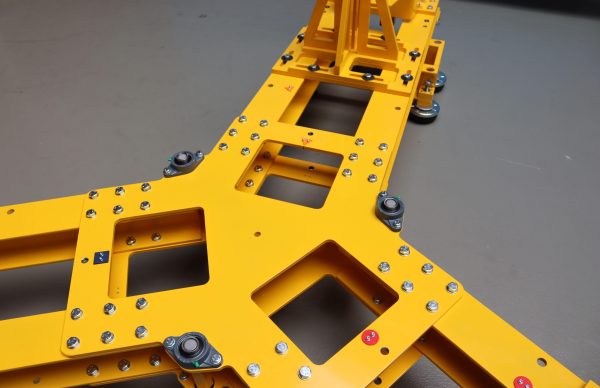
VIRO took full responsibility for the development and implementation of the support system, delivering it as a turnkey solution.
The scope of services included:
Particular attention was paid to designing the structure to accommodate different operating and installation scenarios. “Our goal was not simply to meet the specifications, but to deliver a solution that would prove reliable in actual operation and during installation,” explains Rosenwinkel.
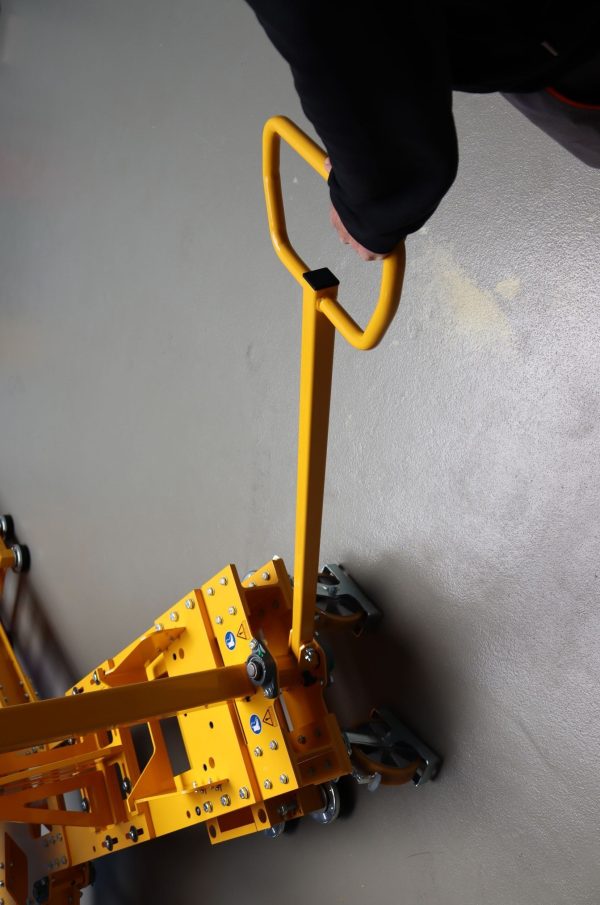
With the turnkey approach, the University of Cologne received a fully documented, ready-to-use solution from a single source. The structured project management reduced coordination efforts and provided early transparency regarding risks, schedules and technical decisions. By combining design engineering, analysis, risk assessment and manufacturing support, potential weaknesses could be identified and addressed during the development phase.
At the same time, VIRO ensured that all relevant documentation, verification records and certification options required for subsequent use in an international research environment were available. Ultimately, VIRO successfully delivered the support system together with the complete documentation and all required verification records.
“Despite the demanding technical requirements and numerous constraints, the project was managed professionally at all times. The defined milestones and regular reviews made a significant contribution to identifying risks at an early stage and ensuring that the project progressed in a predictable manner.”
— Prof. Dr. Labadie, University of Cologne
The project demonstrates the importance of closely integrating engineering, simulation, quality management and project management when delivering technically demanding, customised solutions. For the University of Cologne, the result was a solution that enables the safe handling, installation and transportation of a highly sensitive assembly while providing the foundation for long-term use within an international, world-leading research project.